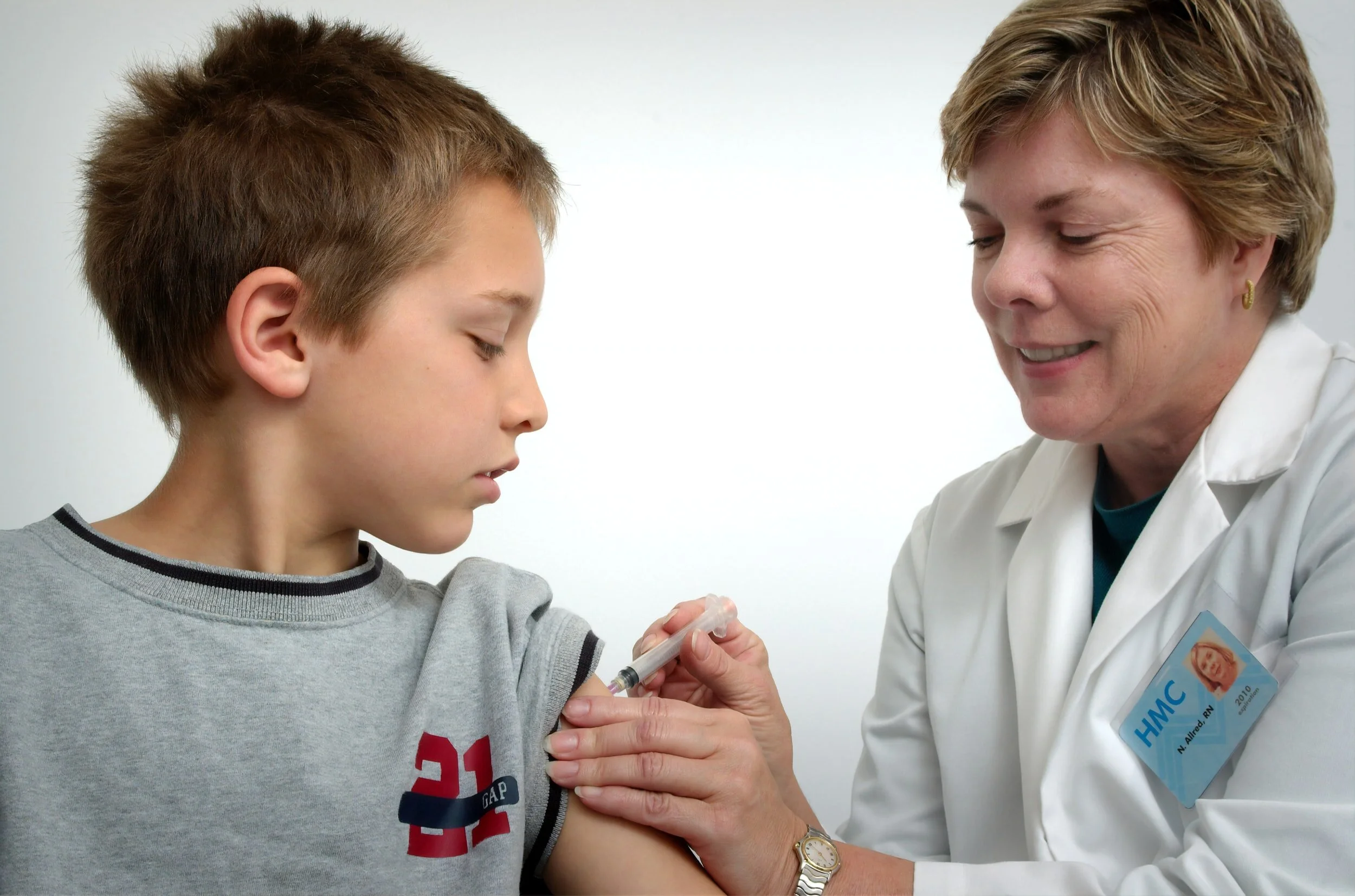
Why You Still Need to Take Precautions after Your COVID Vaccine

With the vaccine rollout picking up speed around the world, many people are asking about the likelihood of contracting the virus even after vaccination. Though the existing coronavirus vaccines have impressive numbers as far as efficacy is concerned, no vaccine is ever going to be 100 percent effective against a virus. That said, the currently available vaccines from Moderna and Pfizer-BioNTech have very high numbers, and the Johnson & Johnson vaccine is also highly effective. So, can you still contract the virus between doses or after you are fully vaccinated? And if you can and do contract coronavirus anyway, what should you do?

Between Doses

Health experts are quite insistent that between doses (for the two vaccines that require two doses for full efficacy) you must maintain safe practices, such as wearing a mask when in contact with others, washing your hands frequently, and maintaining proper social distancing guidelines. This is because it is possible to contract coronavirus between doses of the vaccine when it has not yet achieved full efficacy.

If this happens to you, note that the guidelines are the same as those for people who have a coronavirus infection with symptoms and are not yet vaccinated. Essentially, you should remain in isolation until 10 days after your last fever or symptom if you have symptoms. With no symptoms but a positive coronavirus test, stay in isolation for 10 days following your last positive test.

If this happens to you, follow these guidelines, and if the isolation period overlaps with your scheduled second vaccination date, you should reschedule that appointment. A delay in receiving the second shot is likely not an issue, so simply go in for that second shot as soon as your quarantine period is up.

Can I Spread COVID-19 after Being Vaccinated?

Another cause for concern as vaccinations increase is whether fully vaccinated individuals could still spread the virus to those who are unvaccinated. The truth is that right now, there is not enough information to know for sure. The CDC notes that vaccinated individuals can still carry the virus without experiencing symptoms (asymptomatic infection), but the jury is still out on whether vaccinated individuals can spread the virus. There is some emerging evidence to indicate that vaccination is helping to slow the spread, but this research is quite limited. However, studies are still needed on individuals living with or working closely with people who are vaccinated. In the meantime, stay vigilant about protective measures and continue to mask and socially distance when in public.

Rep Def
A New Pill May Stop COVID-19 in Its Tracks

The coronavirus pandemic has pushed medical researchers and scientists to the limit. They’ve worked frantically to create effective vaccines and to find better treatments for COVID-19. Vaccines were developed and approved for emergency use at record speeds, and mass vaccinations are now underway all over the world.

There are a broad variety of treatments for COVID-19, including everything from drugs like dexamethasone and remdesivir for serious cases, to monoclonal antibody treatments for mild to moderate cases. Because of the novel nature of the disease, healthcare providers initially did not have a real idea of what would work—they were forced to try treatments developed for other types of severe respiratory infections.

In recent months, the press has focused more on the development of vaccines than on new treatments or therapies. However, Pfizer, one of the companies responsible for bringing a coronavirus vaccine to market, is testing a new pill that could be used to treat coronavirus. Here is what we know.

Early Signs of Illness

Coronavirus infections are different for every individual, ranging from relatively mild illness that can be treated with rest at home, and severe illness resulting in long hospitalizations or death. Many of the treatments recommended now for COVID-19 patients are used either exclusively in the hospital or are restricted to patients who are at an increased risk for severe infection.

This leaves individuals without risk factors at a loss. However, i many cases, the severity of coronavirus infections can seem random. The virus can manifest as a very mild case in a person with many risk factors, and other times cause an otherwise healthy person to be hospitalized.

Pfizer recently announced that it was beginning human trials for a new pill that could be used to treat coronavirus infections in the early stages of the illness. The pill would be the first oral antiviral treatment of its kind for coronavirus.

Protease Inhibitors

Pfizer’s pill is a type of drug known as a protease inhibitor. The drug binds to a particular enzyme (called a protease) in order to prevent the virus from being able to replicate. These types of medications have been used successfully in treating other illnesses caused by viruses, including hepatitis C and HIV.

The chief scientific officer of Pfizer, Mikael Dolsten, noted in a recent press statement that the new coronavirus mutations and the continuing global struggle to contain the pandemic are signs that access to treatment options could be critically important in the months to come. Vaccines aren’t enough on their own. Dolsten also notes that so far, no unexpected problems have arisen during the trials, and results could be seen in just a few weeks.

Besides Pfizer, Merck is also conducting human trials of its coronavirus pill, molnupiravir. The drug is being developing in conjunction with Ridgeback Biotherapeutics and works differently from the Pfizer protease inhibitor.

Rep Def
Could the Coronavirus Vaccine Help Relieve Long COVID Symptoms?

As we move ever closer to the beginning of the new post-pandemic normal, more people are getting their coronavirus vaccines. Interestingly enough, some individuals who had reported experiencing severe “long COVID” symptoms—meaning that they experienced a variety of debilitating symptoms long after the infection had cleared—are now reporting their symptoms are either much improved or completely gone after receiving the vaccine. What do we know so far about the possibility of vaccines improving the symptoms of people with “long COVID”?

Long COVID Symptoms

People who experience “long COVID” report a variety of diverse symptoms. From shortness of breath and a racing heartbeat to brain fog, difficulty remembering things, and extreme fatigue, long COVID symptoms can prove debilitating and may last for weeks and even months after the initial infection ends. Some people have been experiencing long COVID symptoms for a full year. Researchers understand very little about why some people experience long COVID and others seem to quickly recover. It seems to affect a diverse group of people with little in common. Long COVID clinics have even begun to open all over the country, and the world is focused on trying to provide treatment and helping people to find relief.

Could the Vaccine Be Helping?

Now that more vaccines are available, there is some anecdotal evidence to suggest that after receiving the full vaccine dosage (both shots), long COVID symptoms may subside. Doctors have reported a variety of data from their own patients. Dr. Daniel Griffin, an infectious disease physician at Columbia University, noted that around 40% of his long COVID patients had some relief of their symptoms. In addition, a small study at the University of Bristol that studied long-haulers receiving the vaccine as compared with those who did not found a small amount of improvement in long COVID symptoms, as well. There have also been a few surveys indicating that people who received the vaccine have seen some improvement.

But most doctors are quick to note that it is much too early to conclusively decide whether the coronavirus vaccine could really result in an improvement in long-hauler symptoms. While many individuals have reported some improvement in their symptoms, others state that they did not experience any significant changes after receiving the vaccine. Still others say that instead, their symptoms actually worsened after being vaccinated. For now, this is yet another aspect of so-called “long COVID” that doctors will have to research.

Larry Muller
COVID-19 Post-Vaccine Guidance from the CDC

The United States is slowly moving through the various stages of the vaccine rollout, and as more people get vaccinated, more begin to wonder what they need to do afterward. Can you go to restaurants? Can you visit unvaccinated family members? Are masks still needed after you are fully vaccinated? These have been just some of the questions asked by the public as the vaccine rollout continues.

On March 8, 2021, the CDC released much-anticipated post-vaccine guidance to the general public. Here is an overview of what experts suggest after you are fully vaccinated against COVID-19.

Who Qualifies as “Fully Vaccinated”?

Currently, there are three vaccines available for emergency use: Pfizer-BioNTech, Moderna, and Johnson & Johnson. Both Pfizer-BioNTech and Moderna require two shots spaced several weeks apart, while the Johnson & Johnson vaccine requires just a single shot to be fully effective. The CDC considers someone fully vaccinated once they are two weeks out from the final shot.

What Can I Do after I’m Fully Vaccinated?

The CDC has offered a few recommendations for what fully vaccinated individuals can do differently once they have received all the required doses of the coronavirus vaccine. First, maskless indoor gatherings with other vaccinated people are now considered safe, and indoor gatherings with unvaccinated individuals (provided they come from the same household and none of them are considered high risk) can take place without masks. If you are exposed to COVID-19, it is no longer considered necessary to quarantine or get tested unless you are experiencing some of the common COVID-19 symptoms.

Remaining Cautionary Measures

There are still some things that you should continue to be cautious about, even if you are fully vaccinated. For example, the CDC still recommends that you take certain precautions such as wearing a mask, keeping 6 feet of distance, and avoiding medium- or large-sized crowds, even after being fully vaccinated. Keep these measures in place while visiting with unvaccinated individuals from different households, while around an unvaccinated person who is at high risk, and when out in public places.

In general, the CDC also suggests that you delay international and domestic travel plans if possible, and if you must travel, be sure to follow CDC recommendations. If you do experience symptoms of COVID-19 after being fully vaccinated, you should still get tested for COVID-19 and take care to self-quarantine and stay away from others.

This is just the first step towards a new normal, and the CDC notes that as we gain more knowledge about how COVID-19 immunity works, these recommendations may change.

Rep Def
How Specialized Clinics Are Trying to Help COVID-19 Long-Haulers

Researchers are continually gaining more knowledge about COVID-19 and how it manifests in different people. One trend that is becoming more prevalent is the presence of so-called COVID long-haulers, or patients who experience new or persistent symptoms for four weeks or more past the time the initial infection resolved. Though a large portion of people who contract COVID-19 seem to recover within a few days or weeks, an estimated 10 percent to 30 percent of patients experience symptoms for much longer. Now, these COVID long-haulers are looking for answers and turning to their doctors for treatment.


Treating Long-Haul COVID

Around the world, clinics are beginning to pop up that are dedicated to treating patients with the lingering after-effects of COVID-19. Experiencing a range of symptoms, many of these individuals are still struggling with recovery for months, even up to a full year after the initial infection cleared. But despite the huge numbers of people now reporting these types of symptoms (more than 8 million in the United States alone), very little is known about the condition and how to treat it. COVID long-haulers report more than 100 different symptoms ranging from chronic and debilitating fatigue and shortness of breath to hair loss. Even the type of patient is not consistent—long-haulers include men and women of all different ages, and while some were hospitalized during their original COVID-19 infection, others have reported only mild symptoms.

Types of Treatment

The treatments for COVID long-haulers currently do not follow a standard. Patients are trying everything from mindfulness techniques, to common allergy medications, to speech and physical therapy, to even eating oranges. Some experts theorize that eating oranges may provide a vitamin C boost or that the juice could help with clearing congestion; whatever the cause, eating oranges seems to help some patients.

More Research

Research into long-haulers has been slow, but with more patients emerging with sometimes severe symptoms, it is time to try and understand the cause. Some early research indicates that long-haul patients may have trouble with their autonomic nervous system, a body system that regulates things your body takes care of automatically (for example, constricting blood vessels), but the range in symptoms is still baffling. Patients experience brain fog, extreme fatigue, irregular heartbeats, trouble breathing, and more. Hopefully, we will soon understand this condition more fully.

Rep Def
The Flu and COVID-19: How the New Virus Stopped Flu Season

The coronavirus pandemic is still raging around the world, with more than half a million deaths related to the disease in just the United States alone. With the world preoccupied with avoiding COVID-19, many have nearly forgotten about flu season. Around the world, this most recent flu season has been incredibly mild, and what many people may not realize is that we have coronavirus to thank for that. Specifically, the precautions taken to prevent the spread of coronavirus have worked on other types of upper-respiratory viruses like influenza. Here’s how this happened.

Extremely Mild Influenza Season

During the summer of 2020, health experts sounded the alarm about the possible implications of a flu season on top of the coronavirus pandemic, but the results have not been what was expected. The CDC has reported that the most recent flu season has been one of the mildest on record in the past decade, with hospitalization rates as of late January quite similar to the least severe season (2011-12) in recent years.

Looking at the numbers, influenza positives are staggeringly low. For comparison, during the 2019-20 flu season, around 400,000 people ended up hospitalized for flu-related illness, and there were around 22,000 deaths. In early February 2021, nearing a typical flu season’s peak, the CDC reported just 165 hospitalizations for the flu since October. So, what is responsible for these extremely low numbers?

Preventative Measures and Vaccines

Most health experts note a few factors may be responsible for the record low in influenza cases. Social distancing measures and widespread mask-wearing used to slow the spread of COVID-19 have proven themselves to be incredibly effective at stopping the flu. For those questioning the efficacy of mask-wearing, this is a great example of how such measures can be effective. Additionally, this past season saw record numbers of flu shots go out, an important factor in controlling the spread of the disease.

Kids out of School

Another important factor could be that many children around the world have been out of the classroom during the worst of the flu season. Children are the primary spreaders of influenza, as they produce much more of the virus and shed it over a longer period. With kids at home and not in schools over flu season, having minimal contact with teachers and other classmates, there was less spread of the influenza virus. COVID-19 appears to spread easily among adults, but in the case of influenza, children seem much more important in the overall spread.

Larry Muller
This Is What Happens When Herd Immunity Is Reached – Spotlight on Vaccines

The vaccine rollout around the world is an important part of helping to finally end the global coronavirus pandemic that has affected us for nearly a full year now. First only available to healthcare workers, vaccines to protect against COVID-19 infections are now becoming available to members of the general public.

Starting with members of vulnerable populations, like people who are older and people who have preexisting conditions, experts note that vaccinating as many people as possible is a key component of helping achieve herd immunity. How can vaccines do this, and can we achieve it in this case?

What Is Herd Immunity?

The spread of a virus is sharply limited when a large portion of a population has immunity, whether due to a previous infection resulting in the development of natural antibodies or through vaccination. When this happens, the virus cannot spread as quickly or easily through a population.

That is why it is so important for as many people as possible to get the vaccine. Vaccines offer a safer alternative than actually contracting the virus since the health risks associated with vaccination are relatively low. Contracting COVID-19, on the other hand, comes with significant and dangerous risks, up to and including death.

How Many People Will It Take to Reach Herd Immunity?

With herd immunity as the end goal, many people wonder exactly what percentage of the population needs to receive the vaccine before it will take effect and help to end the pandemic. That percentage can differ depending on the individual virus, but for coronaviruses, most experts believe that somewhere between 70 and 90 percent of the population would need a vaccine.

The head of the National Institute of Allergy and Infectious Diseases, Dr. Anthony Fauci, has suggested that at least 85 percent of the population needs to be vaccinated for herd immunity to be achieved. If that percentage can be achieved by the end of summer, Dr. Fauci is optimistic that we could return to a more normal existence by next fall.

Why Vaccinating Children May Be Crucial

Currently, no vaccines are approved for individuals under 16, which could pose a problem for achieving herd immunity. Children under 16 make up approximately 20 percent of the population of the United States, so this may be quite important. Mathematically, there is no way for 85 percent of the population to be vaccinated without at least some children under 16 receiving the vaccine.

Though children do not seem to have as many instances of death and extremely severe infections, it is still possible for them to spread the virus to others in the community. Once vaccines can safely be administered to children, we will likely see herd immunity take effect more quickly.

Rep Def
What You Need to Know about Covid Tongue

Amid the global coronavirus pandemic, most people are aware of the most common symptoms associated with the COVID-19 infection. However, since this is a new disease and scientists are still learning about how it works, symptoms that were not previously seen are still coming to light. One of the most recent symptoms that is thought to be associated with a COVID-19 infection is “COVID tongue.” What is it, and why do researchers think we are seeing this symptom associated with a coronavirus infection?

What Is COVID Tongue?

The most recent in a list of less common symptoms associated with COVID-19 is known as COVID tongue by researchers. A British researcher named Tim Spector, a professor of genetic epidemiology at King’s College London, reported numerous cases of patients complaining of tongue enlargement, discoloration, and a variety of other mouth issues. COVID tongue can include a scalloped tongue (rippled or wavy indentations along the side of the tongue) and a white or yellow “furry coating” on the tongue that cannot be brushed off. Some patients have also experienced strange mouth ulcers and increased problems with their teeth, including dental issues. A few patients have noted gray or chipping teeth, oversensitive gums, and even teeth that have fallen out as a result of a COVID-19 infection. This is likely a result of the sensitivity of the gums and mouth in general due to an overabundance of inflammation in the body, which people experience quite frequently with long-term coronavirus infections.

Unusual Symptoms

Researchers looking at COVID symptoms, including Tim Spector, who works with the ZOE COVID Symptoms Study (collecting symptoms from British citizens through an app), noted that people should pay attention to all types of unusual symptoms, even if they believe they’re not associated with COVID-19. More unusual symptoms can appear in about one out of every five COVID patients, and they cover everything from COVID tongue and unusual back pain to neurological symptoms such as brain fog and difficulty concentrating or remembering things. It is also important to note that physicians and dentists keep these unusual symptoms in mind when working with patients. Even if a patient does not experience the most common symptoms associated with COVID, they could still have an infection and pass it on to others around them. Physicians have stated that any unusual symptom, or even simple fatigue or a headache, could be a sign of a COVID-19 infection and recommend that people stay at home just to be safe.

Rep Def
What You Need to Know about COVID-19 Long Haulers

COVID-19 has taken a staggering toll on the world. In the United States alone, nearly a half-million people have died from the disease. But beyond the overwhelming number of deaths and the many people who have struggled with severe infections requiring hospitalization are the COVID-19 “long haulers.” These people continue to experience side effects and the consequences of the disease for months or even up to a year after initially contracting the illness. What we know now about COVID-19 long haulers is minimal, since the research is only in its early stages. However, researchers are concerned about what the long-term effects might mean.

Types of Infections

In general, researchers have found that people who contract COVID-19 fall into two primary categories: mild cases that resolve within about two weeks and severe infections that can take up to six weeks from which to recover. But now there seems to be another type of infection that does not fit into either of these two main categories. These cases have symptoms that seem to linger for many more weeks—or even months—beyond the initial date of infection.        

Understanding the Symptoms

People who have been identified as long haulers have recovered from the COVID-19 infection and tested negative for the virus. However, they are still experiencing significant symptoms of COVID-19. A recent article published in The Journal of the American Medical Association suggests that approximately 10% of COVID-19 patients eventually end up as long haulers and experience symptoms long after they have overcome the disease. For many long haulers, the symptoms are significantly different from those which they experienced during the original infection. Long haulers experience symptoms such as debilitating fatigue, a cough, loss of taste or smell, shortness of breath, headache, and brain fog. Brain fog is one of the most disturbing and confusing symptoms confronting researchers. With brain fog, people report that they experience difficulty in focusing and concentrating, an unusual level of forgetfulness, and confusion.

What Now?

Researchers are studying COVID-19 long haulers and trying to determine whether there is a uniting factor, such as a similar age, underlying conditions, or something else that makes it more likely for someone to experience these long-term symptoms. While in many cases long haulers seem to fall into high-risk groups or have some type of pre-existing condition, there are also cases of younger and perfectly healthy individuals who still experience symptoms months after the initial infection. The hope is that research will find some answers.

Rep Def
Behind the Scenes: Students and the Pandemic

The coronavirus pandemic has upended the world for nearly a year now. Its impact on physical health has been profound and enduring, causing more than 400,000 deaths in the United States alone. However, there is another impact that is less visible, but just as distressing: the impact on mental health.

Struggles with mental health are significantly impacted by a global event like a pandemic, and this has been no exception. Isolation, fear, and anxiety have made it incredibly difficult for those with prior diagnoses of depression and other mental health disorders to cope with the challenges caused by the pandemic, but it has also caused even more people to experience symptoms of distress.

Students Are Struggling

One somewhat overlooked group being profoundly impacted by the stress of the pandemic has been students, both college students and younger children in public schools. Even before the pandemic hit, college students were experiencing higher levels of depression and anxiety than the general population.

The stress of managing finances, trying to get a job, and acclimating socially all contribute to the struggles that college students have always had with their mental health. However, the onset of the coronavirus pandemic increased those feelings among college students. Colleges and universities need to offer resources to help their students deal with the mental health impact of COVID-19.

Educators and those working in social service also are quick to point out that younger children are also suffering. With public schools closed and most students forced into a virtual or hybrid school situation, there is little opportunity to socialize with friends, making isolation a serious issue.

The disruption of a regular routine and the isolation of virtual school has been having a real impact on the mental health of our school children. This impact on mental health has been truly alarming, with one of the nation’s largest school districts in Clark County, Nevada experiencing 18 suicides since the start of the pandemic.

Can Schools Reopen?

The mental health cost of the pandemic is clear. But now the question is, can we return to in-person school? Recently, the CDC advised that it would be safe to return to in-person learning, assuming that appropriate precautions are taken.

For example, masks must be worn, social distancing should be practiced, and certain activities may not be safe. The CDC notes that there is little evidence that primary and secondary schools produce the kind of large outbreaks that have been seen in other locations. Students, teachers, and parents alike hope that soon, students can return to school safely.

Rep Def